By Kathryn Schick, Piedmont Master Gardener Intern
Question: I recently had a soil test done on my lawn and an application of lime is recommended. I’ve never amended my soil. What do I need to know about lime application?
If you’ve ever had difficulty keeping a healthy lawn, or had trouble growing certain plants in your yard, getting your soil tested is the often overlooked first step to improving the quality of your soil. Soil tests indicate the pH level of the soil (acidic, neutral or alkaline), along with the amount of nutrients and organic matter present in the soil. Following soil test recommendations on any adjustments to the pH level and soil amendments are key to maintaining a lush, green lawn.
Why Lime Is Needed The optimum pH level for lawns is typically slightly acidic (6.0 to 7.0. on the pH scale). Since Central Virginia soils are naturally moderately to strongly acidic (4.5 to 5.5), lime is needed to raise the soil pH to reduce acidity. This is important because soil pH affects the availability of nutrients that plants need to thrive. When the soil is too acidic, the plants cannot absorb the nutrients they need. In addition, acidic soil can make turfgrass more susceptible to disease and pests, reduce beneficial microorganisms in the soil and promote the growth of weeds. Adequate amounts of lime in the soil also improves soil structure, which enhances plant growth.
Steps to Improve Soil Quality
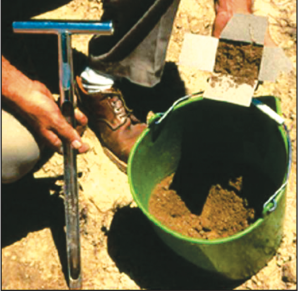
Photo source: Virginia Cooperative Extension
Step 1: Soil Test Get your soil tested and amend soil based on the results. The soil test report provides specific guidance on whether and how much lime to apply. It will recommend the amount of lime needed in pounds per 1,000 sq. ft., based on the type of turfgrass and the soil texture (clay, loam, sand).
Step 2: Type of Lime to Use Of the two common types available, choose calcitic lime (calcium carbonate) made from ground limestone, if your soil doesn’t have a magnesium deficiency. Use dolomitic lime (which includes both calcium and magnesium), if the soil shows low magnesium levels. Hydrated or burned lime should not be used because they can burn turfgrass.
Both types are commonly sold at garden centers in Virginia. Garden centers often offer two different forms of lime: pelletized lime and agricultural lime. The small granules of pelletized lime make it easier to spread evenly and less dusty but work slowly. Agricultural ground limestone acts faster but is messy and harder to spread evenly. Make sure the product has a “neutralizing value” of 90 percent or higher (often shown on the bag) to indicate how effective it will be.
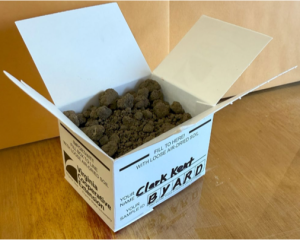
Source: Virginia Cooperative Extension publication 452-129
Step 3: Amount, Timing and Application
How Much to Apply. Always follow the soil test recommendation exactly—it’s science-based and specific to your lawn conditions. If the report says something like “apply 50 lbs. of ground limestone per 1,000 sq. ft.”, that’s your guide. Be sure to measure your lawn carefully, so you can determine the correct amount of lime for the lawn area. If the soil tested strongly acidic, don’t exceed 100 lbs. per 1,000 sq. ft. in one application. If more is needed, split it into two applications 6 months apart.
Timing Although limestone can be applied any time of year, it is most effective in the fall, since there is enough time for the lime to work its way into the soil and sufficient moisture is present in the soil. Early spring application is also a good option. Because lime acts slowly and raises pH gradually, doing it when the weather is cooler and the lawn is less stressed is ideal.
Application
- Mow the lawn and remove excess debris to allow for good contact of lime with the soil surface.
- When overseeding the lawn, apply lime well in advance, so that the pH is adjusted before the seed germinates.
- Spread the lime evenly with a broadcast or drop spreader. Overlapping slightly is better than missing a patch.
- Immediately after spreading, water the lawn or wait to apply lime right before a rainfall to help move the lime into the soil. Since lime reacts slowly, perfect immediate mixing is less critical than good coverage.
- For established lawns, don’t destroy the sod by tilling the lime into the soil. However, core aeration, which does not damage the turfgrass, can be done around the time of application. It will improve the effectiveness of the liming by allowing for better penetration of the soil.
Step 4: Frequency and Maintenance
- Avoid applying more lime than recommended or too frequently. Overliming can make soil too alkaline and lock up nutrients.
- Once you’ve applied lime according to soil test recommendations, wait for three to four years to retest.
- Monitoring the pH is important. After applying lime, the next soil test should show a pH closer to the target. If not, you might need to apply again (possibly at a lower rate) or assess why pH is dropping (heavy nitrogen use, soil type, etc.).
- If the pH remains stable over time, no additional lime is needed.
- If a subsequent soil test indicates that the soil has become too acidic, apply again at the recommended rate of the latest soil test.
- Practice good lawn care maintenance for mowing, fertilizer use, watering, pest management, all of which cause pH changes over time.
How to Get a Soil Test To begin, you will need to obtain a soil sample box from your local Virginia Cooperative Extension office, follow the online directions for taking samples and submit the samples to VCE for analysis. Since different plants have different optimum pH levels, you’ll want to specify the type of turfgrass to receive the appropriate pH recommendations. Once you receive the soil test results and take the steps outlined above, you are well on your way to a better lawn. You can also get your soil pH tested for flower and vegetable gardens, as well as trees and shrubs, to improve your success in growing these plants.
More Information Keeping soil and your lawn healthy is about more than just adding lime to the soil when needed. Learn more about how to use the four core principles of soil health and best practices for lawn maintenance to achieve good results.
Featured Image: Joshua Woroniecki, Unsplash.com
References
“A Gardener’s Guide to Soil Testing”, Bradley, Lucy, Extension Urban Horticulture Specialist, Horticultural Science and Osmond, Deanna, Department Extension Leader, Crop & Soil Sciences, North Carolina State University, NC State Extension, Publication AG-614, 20 Aug 2019.
“Lawn Fertilization in Virginia”, Goatley, J.M., et. al, Professor and Extension Specialist, Crop and Soil Environmental Sciences, Virginia Tech, Publication CSES-135P, 21 Jun 2021.
“Liming Turfgrass Areas”, Peter J. Landschoot, Associate Professor of Turfgrass Science, Penn State University, Penn State Extension, 1 Jan 2002.
“Soil Acidification and the Importance of Liming Agricultural Soils with Particular Reference to the United Kingdom”, Goulding, K.W. T., National Library of Medicine, 24 Jun 2016.
“Soil Sampling For Residential Areas”, Heckendorn, Steve, Soil Testing Laboratory Manager, Virginia Tech and Maguire, Rory, Professor and Extension Nutrient Management Specialist, School of Plant and Environmental Sciences, Virginia Tech, Publication 452-129 (SPES-725PP), 18 Aug 2025.
“Spring and Summer Lawn Management Considerations for Cool-Season Turfgrasses”, Goatley, Turfgrass Specialist, Department of Crop and Soil Environmental Sciences, et. al., Virginia Tech, Virginia Cooperative Extension, Publication 430-010 (SPES-126P), 27 Jun 2024.
“Why Soil pH Matters – and How to Manage It in Your Garden”, Oregon State University, OSU Extension, Jun 2025.
“Your Soil Test Report Simplified, A Guide for Homeowners”, Bolles, Thomas, Extension Agent, Prince William Unit, Virginia Tech, Virginia Cooperative Extension, Publication SPES-384NP, 10 March, 2022.